
5 Signs You Need Professional Tree Trimming – Before It’s Too Late
Trees are magnificent additions to any property, offering essential shade, enhancing curb appeal, and improving the overall air quality around your home. However, while they are often seen as permanent and self-sustaining fixtures, trees actually require regular maintenance to remain healthy and safe. Neglecting your arboreal assets can lead to severe consequences, including devastating property damage, critical safety hazards, and the premature loss of the tree itself. It is no surprise that homeowners and businesses across the country are investing heavily in arboriculture to maintain their landscapes. In fact, according to IBISWorld, the U.S. tree trimming market was valued at $35.6 billion in 2024.
Despite the clear importance of proper maintenance, many property owners wait until a severe storm hits or a massive branch falls before they finally call for professional help. At Long's Tree Service, we firmly believe that proactive care is always better—and significantly less expensive—than reactive emergency removal. Knowing exactly what to look for can save you time, money, and immense stress down the line. If you are unsure whether your landscape requires professional attention, here are the five signs you need professional tree trimming before it is too late.
Sign 1: The Presence of Dead or Broken Branches
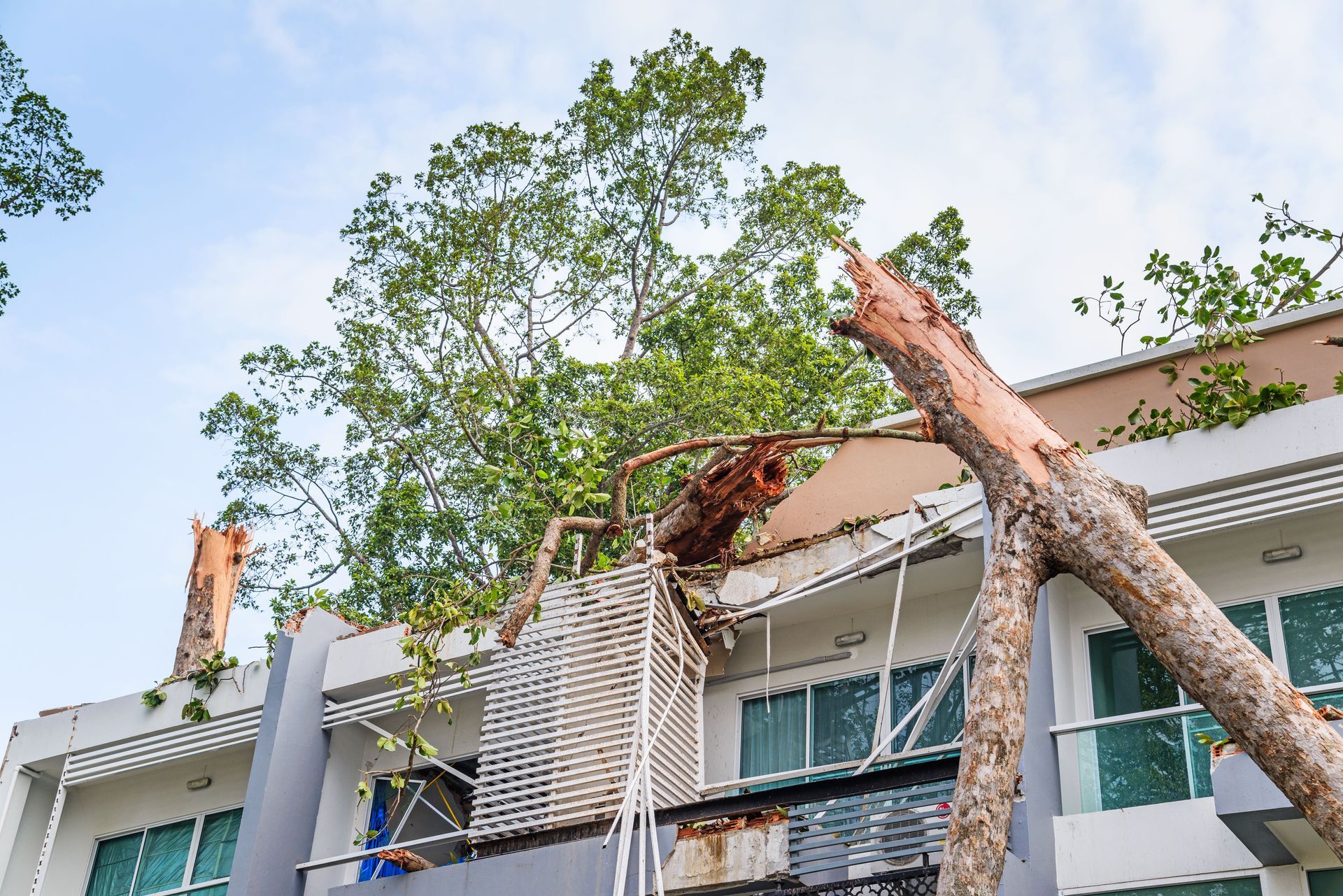
One of the most obvious indicators that your landscape requires immediate attention is the presence of dead, broken, or hanging branches. A dead branch has entirely lost its structural integrity and can fall at any given moment, even without the prompting of high winds or severe weather conditions. If these branches are situated directly over your driveway, roof, or areas where your family congregates, the risk of catastrophic property damage or severe personal injury is incredibly high.
Regular observation of your canopy is essential, especially after heavy storms or during the transition between seasons. Dead wood usually lacks foliage during the spring and summer, and the bark may appear dry, peeling, or completely missing from the branch. If you spot these hazardous limbs, it is absolutely crucial not to attempt the removal yourself, as unpredictable falling patterns can be exceptionally dangerous for amateurs to navigate. Scheduling professional tree trimming ensures that these precarious branches are removed safely, utilizing the proper equipment and rigorous safety protocols.
Sign 2: The Development of an Overly Dense Canopy
While a thick, lush canopy might seem like an indicator of a healthy, vigorous tree, excessive density can actually be highly detrimental to its long-term viability. When the foliage is too thick, vital sunlight cannot penetrate to the lower branches or the grass below, stunting growth and creating a barren landscape at the tree's base. Furthermore, a dense canopy acts like a giant sail during a high windstorm. Instead of allowing the wind to pass safely through the branches, the thick foliage catches the wind, putting immense stress on the trunk and root system, which can ultimately lead to the entire structure uprooting.
Additionally, poor airflow within a crowded canopy creates a damp, dark environment that serves as the perfect breeding ground for fungal diseases and aggressive pest infestations. A skilled arborist understands how to strategically thin the canopy without harming the overall health or aesthetic appeal of the plant. Proper tree trimming improves air circulation and sunlight penetration, significantly reducing the risk of disease and wind-related structural damage.
Sign 3: The Encroachment of Branches on Structures
Trees that are planted close to homes, garages, or utility lines can quickly become a major liability as they grow larger and wider. If branches are physically touching or scraping against your home's siding or roof, they can cause extensive and costly damage over time. The constant friction wears away roofing shingles, damages exterior paint, and provides a direct, accessible bridge for destructive pests like ants, squirrels, and rodents to easily infiltrate your attic.
Even more alarming is when branches grow dangerously close to overhead power lines. This presents a severe fire hazard and a high risk of lethal electrocution. In many cases, utility companies have the right of way to aggressively cut back branches near their lines, which can frequently leave your majestic oak or maple looking lopsided, deformed, and visually unappealing. To maintain the aesthetic balance of your property while ensuring maximum safety, you must address encroaching branches early. Utilizing expert tree trimming from a reputable local company allows for controlled, precise cuts that carefully guide future growth away from your home and vital infrastructure.
Sign 4: The Appearance of Disease or Decay on Bark
A tree's bark serves as its primary line of defense against the harsh outside world. When that vital defense is compromised, the entire organism is instantly at risk. Signs of internal decay or disease often manifest directly on the outside of the trunk or on major limbs. You should always be on the lookout for deep vertical cracks, large open cavities, or areas where the bark is crumbling or inexplicably falling off. Additionally, the sudden appearance of fungi, mushrooms, or conks growing near the base or clinging to the trunk is a strong indicator that the wood inside is actively rotting.
In some fortunate cases, the disease may only be affecting a highly specific section or a select few limbs. If caught early enough, these diseased portions can be surgically removed to prevent the aggressive infection from spreading to the rest of the organism. However, diagnosing and treating arboreal diseases is a highly complex task that requires specialized knowledge and years of training. A professional assessment will properly determine if strategic tree trimming can salvage the healthy portions, or if more drastic removal measures are ultimately required to protect the surrounding landscape from cross-contamination.
Sign 5: The Occurrence of Crossing or Rubbing Branches
When a tree grows wild without regular maintenance, its branches can easily become heavily intertwined. While this might look entirely natural to a casual observer, crossing branches that constantly rub against each other pose a significant threat to the tree's internal health. The constant friction caused by the wind moving these rubbing branches slowly wears away the protective bark layer, creating open, weeping wounds. Much like an open cut on a human being, these abrasive bark wounds expose the tree's delicate vascular system to airborne diseases, harmful fungi, and destructive wood-boring insects.
Once a pest or disease enters through these abrasive wounds, it can quickly travel throughout the rest of the previously healthy wood, causing widespread decay and structural failure. Identifying crossing branches can be remarkably difficult for the untrained eye, especially in larger, older specimens with highly complex, sprawling structures. An experienced arborist can easily spot these hidden problem areas and make the necessary corrective cuts before the internal damage becomes completely irreversible. Investing in routine tree trimming eliminates these harmful friction points, promoting a dramatically stronger, healthier architectural structure for the long term.
Do not wait for the next severe weather event to reveal the hidden weaknesses in your landscape's canopy. If you have noticed any of the five crucial signs mentioned above, it is time to take immediate, proactive action. At Long's Tree Service, we are deeply dedicated to providing top-tier arboricultural care to keep your property safe, beautiful, and thriving for years to come. Our experienced professionals have the deep knowledge, state-of-the-art equipment, and unwavering dedication needed to handle any job safely and efficiently. Contact us today to schedule your comprehensive consultation, and let us provide the expert tree trimming your property truly deserves.
Share On: