
Preventing Tree Damage During Storm Season: Pro Tips from Tree Services
Severe weather can strike with little warning, bringing fierce winds, heavy rain, and unpredictable conditions that pose a significant threat to your property. While you might focus on securing loose outdoor furniture or checking your roof, the natural landscape requires equal attention. Mature trees add immense beauty and value to any property, but they can quickly become hazardous liabilities during a powerful storm if left unmaintained. Taking proactive steps to prepare your landscape is essential for minimizing risk and ensuring your foliage survives harsh weather. By understanding the vulnerabilities of your landscape and implementing targeted preventative measures, you can create a safer environment for your home and family. Engaging professional tree services before the dark clouds gather is often the most effective way to identify hidden risks and fortify your property against the destructive forces of nature.
Evaluating Tree Health and Structural Integrity
The first line of defense against storm damage involves a thorough inspection of your landscape to identify potential vulnerabilities. A healthy trunk and robust canopy are better equipped to withstand turbulent winds, whereas diseased or decaying specimens are prone to catastrophic failure. Look closely for signs of internal rot, deep cracks in the bark, or fungi near the base, as these symptoms often indicate compromised structural integrity. It is also vital to examine the canopy for significant deadwood or a severe lean that seems to worsen over time. Spotting these warning signs early allows you to address the root of the problem rather than waiting for an emergency to unfold. Because spotting subtle signs of decay can be quite challenging for the untrained eye, many homeowners rely on local tree services to conduct comprehensive risk assessments and provide a clear picture of their landscape health.
Pruning Deadwood and Overextended Tree Branches
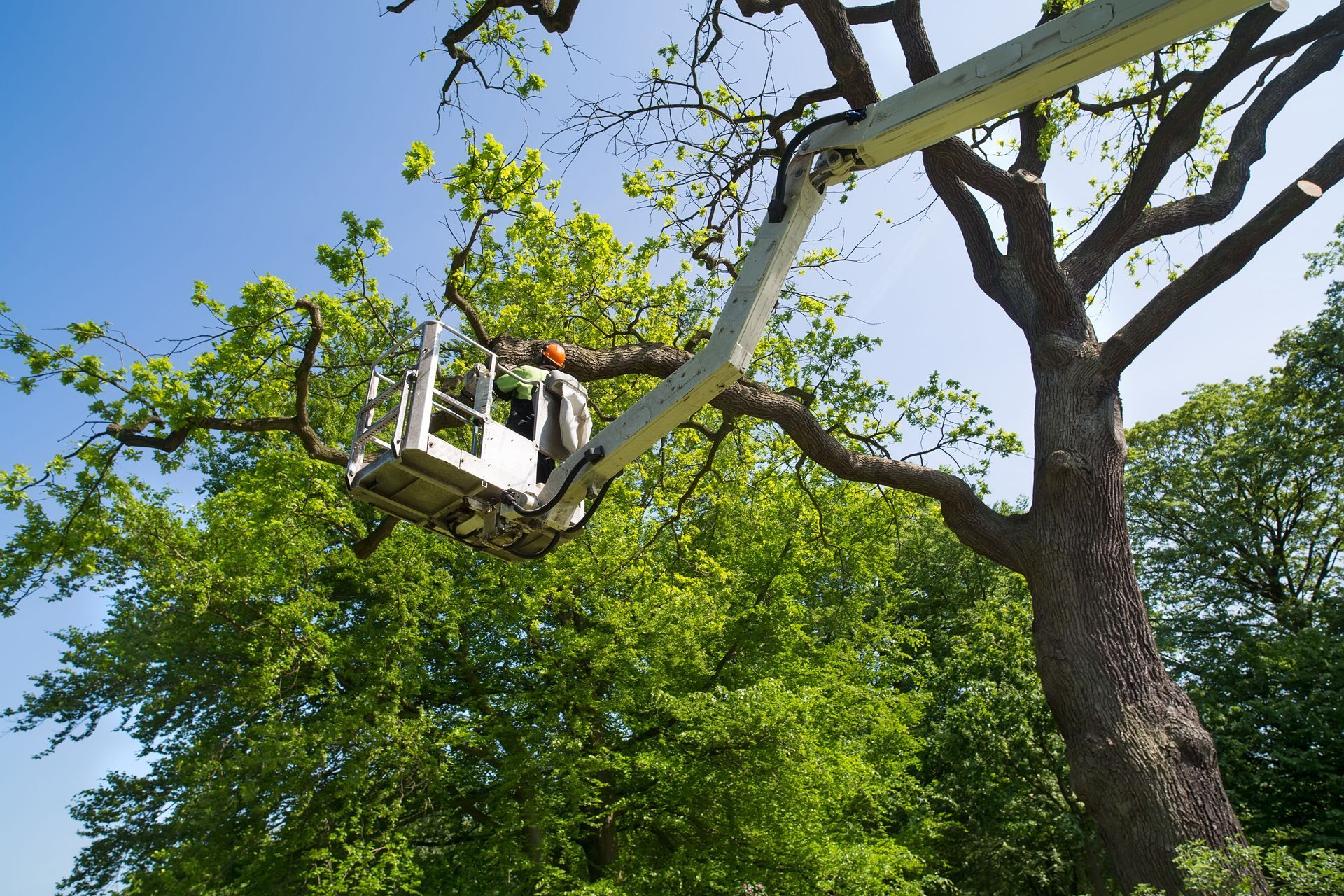
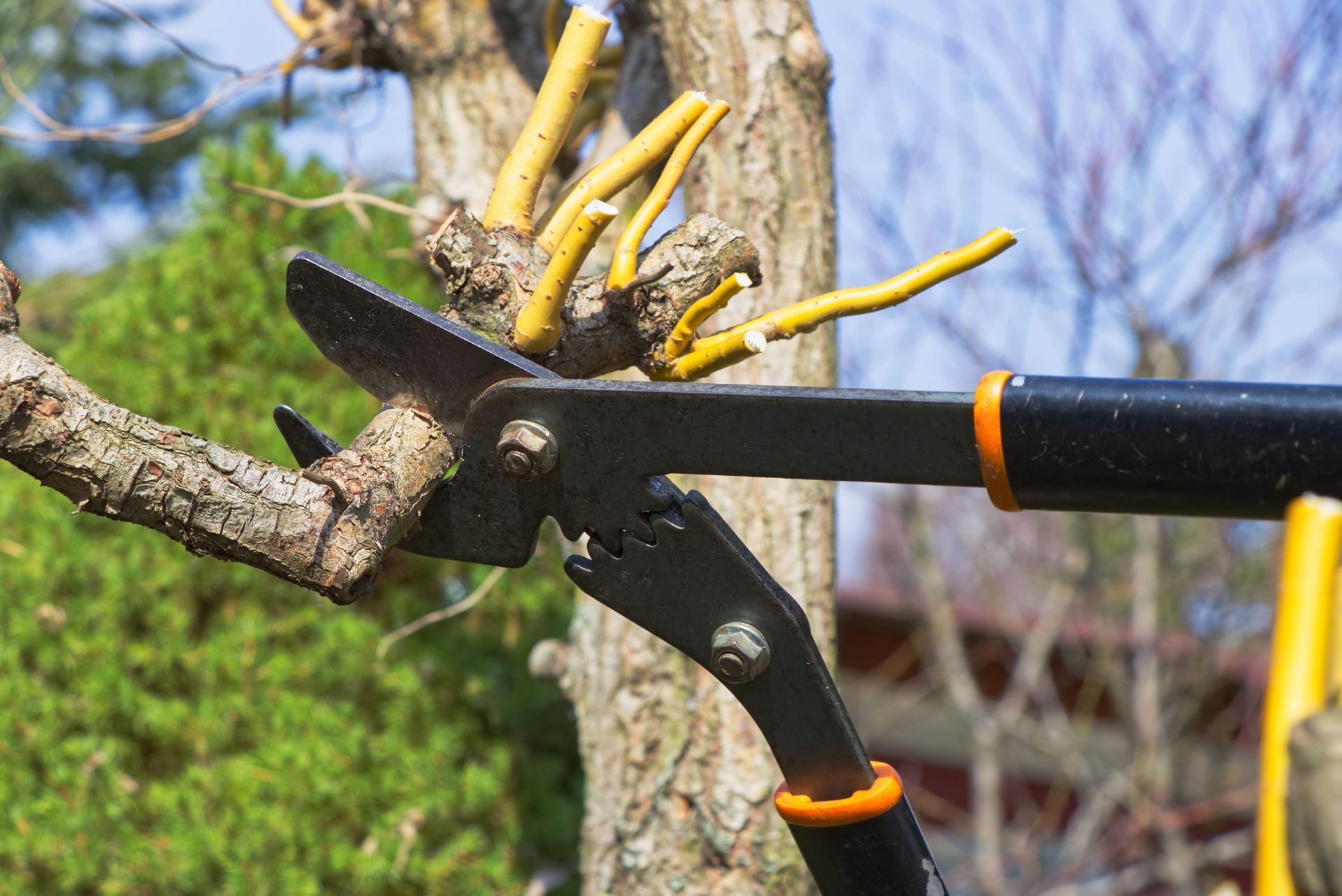
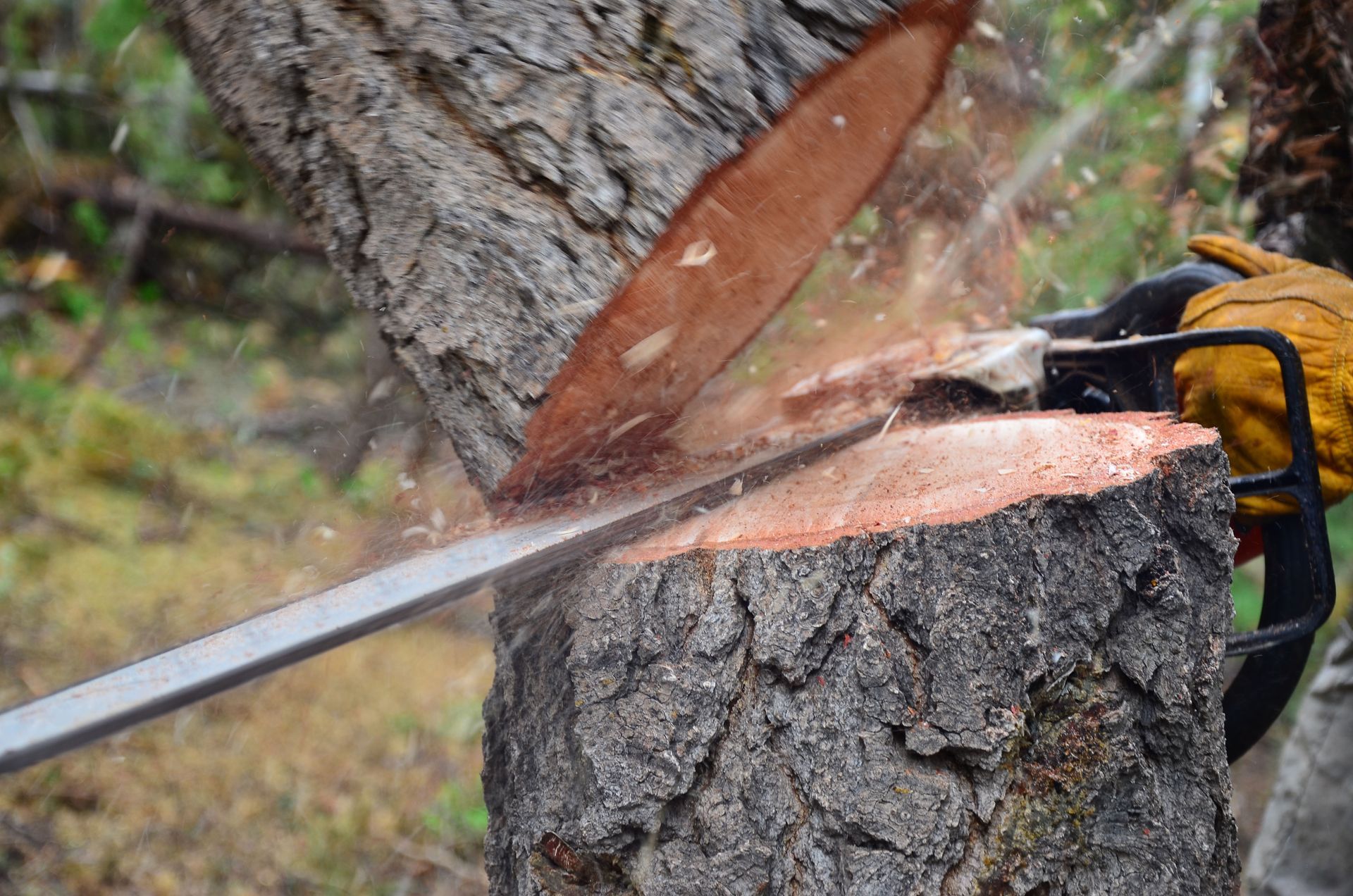
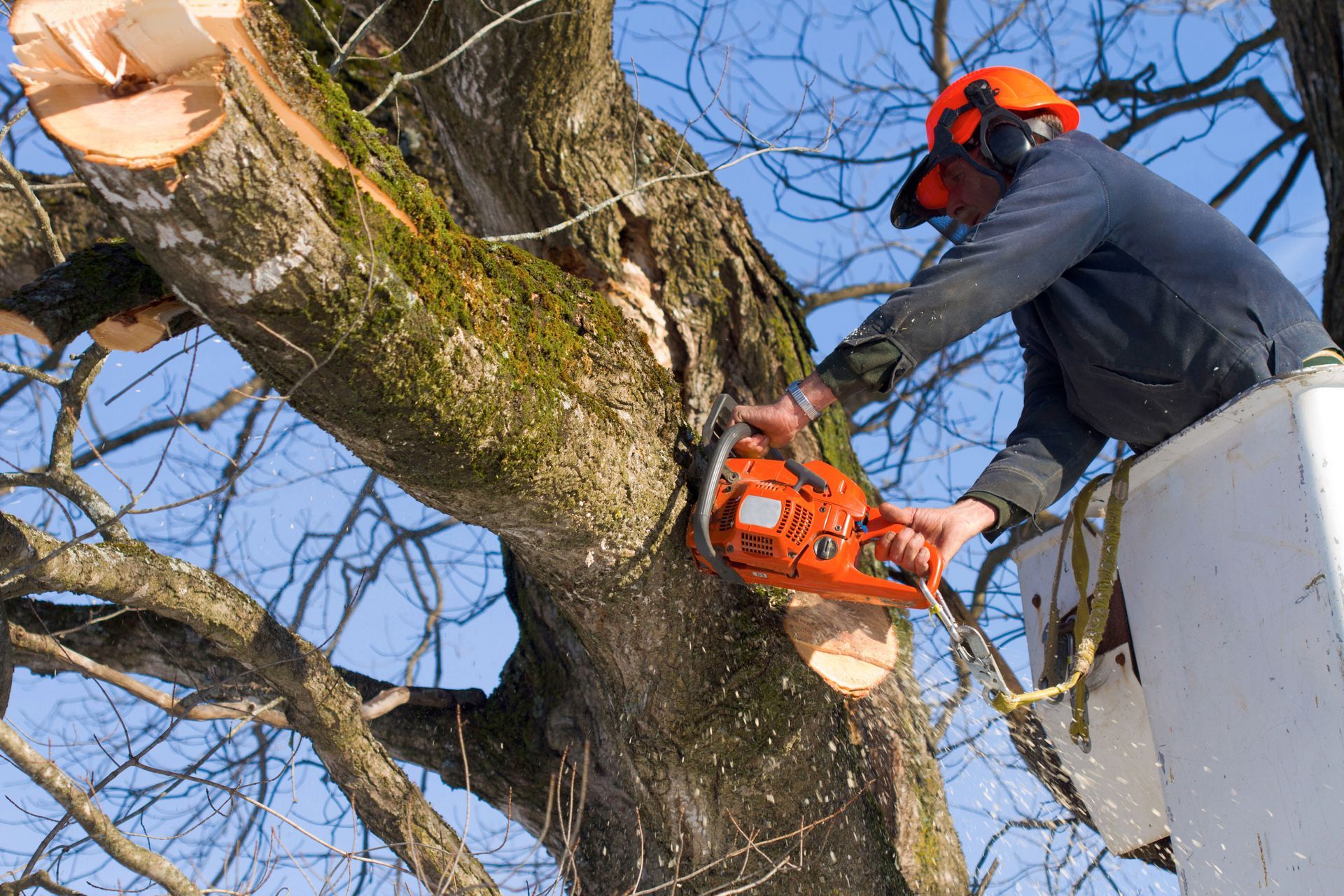
One of the most effective strategies for preventing property damage involves removing dangerous limbs before they have a chance to fall. Dead, dying, or diseased branches are incredibly brittle and will easily snap. Additionally, overextended branches that stretch too far from the main trunk create an unbalanced weight distribution, making the entire structure susceptible to splitting. Thinning the canopy strategically allows wind to pass through the foliage with less resistance, significantly reducing the sail effect that often leads to uprooting. Regular trimming also redirects the plant's energy toward healthy growth and improves overall vitality. It is important to remember that improper cutting techniques can introduce disease or cause irreversible harm to the plant. Trusting experienced tree services to handle the pruning process ensures that the right cuts are made in the right places, promoting long-term health while eliminating immediate overhead hazards.
Installing Cables and Braces for Support
Some specimens possess immense aesthetic and historical value but suffer from structural weaknesses that make them vulnerable during extreme weather events. In these situations, complete removal is not always necessary or desired, and supplemental support systems can offer a highly effective alternative. Cabling and bracing techniques involve the installation of high-strength steel cables and threaded rods to restrict the movement of weak branches. This added hardware helps distribute the mechanical stress more evenly across the structure during heavy winds, drastically reducing the likelihood of a major split. These systems are particularly beneficial for multi-trunked specimens with narrow crotch angles, which are prone to failure under pressure. Because installing support hardware requires specialized knowledge of wood biomechanics and engineering principles, this task should never be treated as a do-it-yourself project. Professional tree services have the expertise to design and install these intricate systems, giving your cherished foliage extra strength.
Maintaining Optimal Soil and Root Health
While the visible canopy usually commands the most attention during storm preparation, the hidden root system is truly the anchor that keeps everything standing tall. Soil compaction is a common issue that restricts root growth, depriving the plant of essential oxygen and moisture required for a strong foundation. Without a deep and expansive root network, even the healthiest-looking specimen can be easily toppled when the ground becomes saturated and the wind begins to howl. Proper mulching around the base helps regulate soil temperature, retain moisture, and prevent the soil from washing away. However, it is crucial to avoid piling mulch directly against the trunk, as this practice encourages rot. Aerating the soil and ensuring proper drainage can also prevent the ground from becoming overly waterlogged. Prioritizing subsurface health builds a resilient foundation that will firmly anchor your landscape when harsh weather inevitably strikes.
Recognizing Hazardous Species Near Your Home
Not all foliage is created equal when it comes to withstanding the brutal forces of a severe thunderstorm. Certain fast-growing species have notoriously brittle wood that shatters easily, while others possess shallow root systems that lose their grip in excessively wet soil. Identifying these high-risk species on your property is a crucial step in developing a proactive hazard mitigation plan. If a brittle specimen is located near your house, driveway, or power lines, the potential for catastrophic damage increases. In some cases, the most prudent course of action may involve removing the hazardous plant and replacing it with a hardier, storm-resistant variety native to your region. Careful landscape planning and strategic planting can save you from substantial headaches down the road. If you are unsure about the specific species on your property or the risks they pose, seeking expert identification and guidance is the best way to make informed decisions.
Planning Emergency Responses for Severe Weather
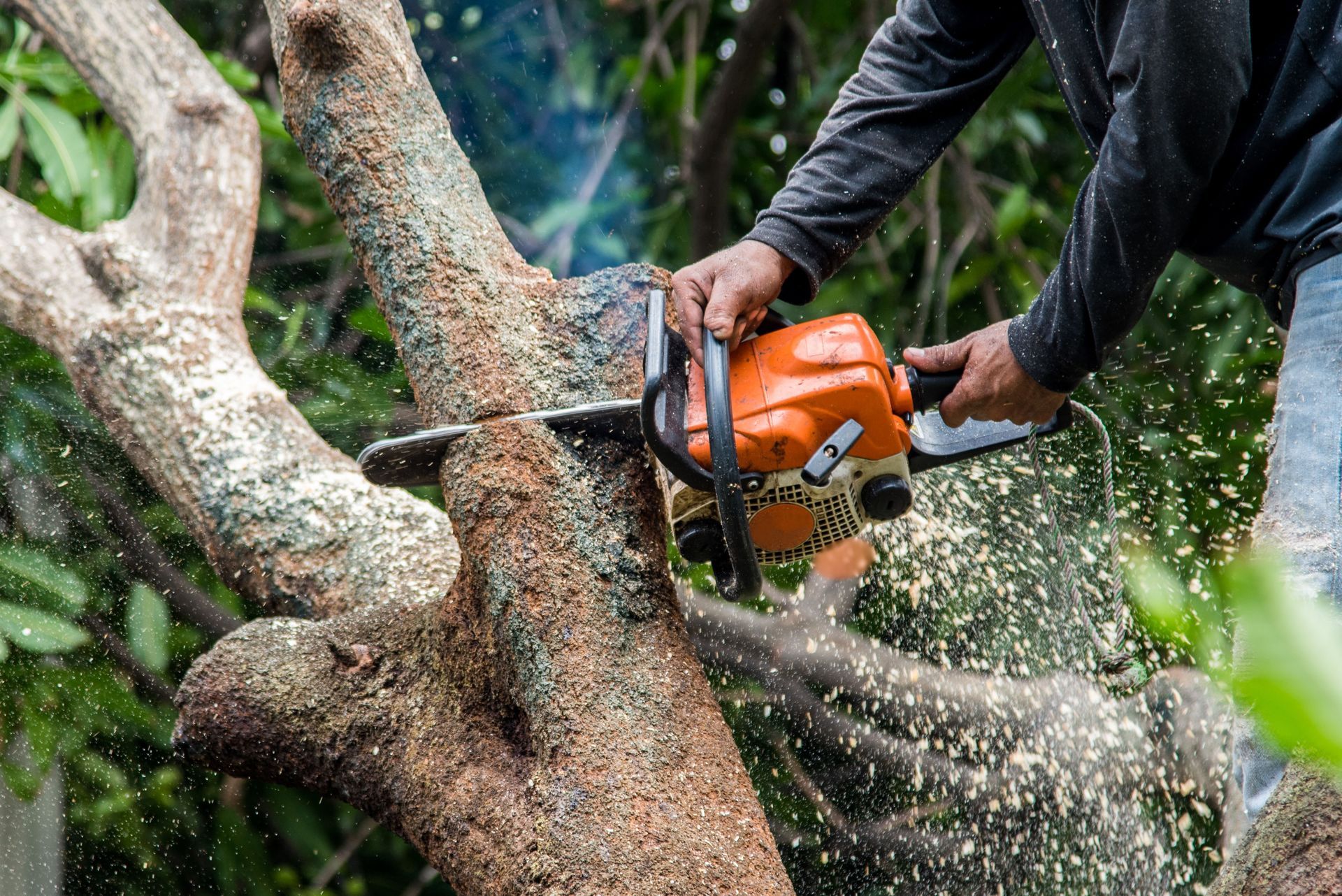
Even with the most rigorous preventative maintenance, the sheer unpredictability of nature means that some damage can still occur during an extraordinarily violent storm. Establishing a clear emergency response plan before disaster strikes ensures that you can act swiftly and safely to mitigate further damage. Keep a safe distance from any fallen limbs or uprooted trunks, especially if they are tangled in downed electrical wires, as this presents a lethal shock hazard. Document any property damage from a safe vantage point to assist with future insurance claims. Attempting to clear massive debris on your own is incredibly dangerous and often leads to severe personal injury. Knowing exactly who to call when the storm passes provides immense peace of mind. Keeping the contact information for reliable emergency tree services readily available allows you to secure immediate assistance for clearing blocked driveways, removing leaning hazards, and restoring absolute safety.
Partnering With Experts for Preventative Care
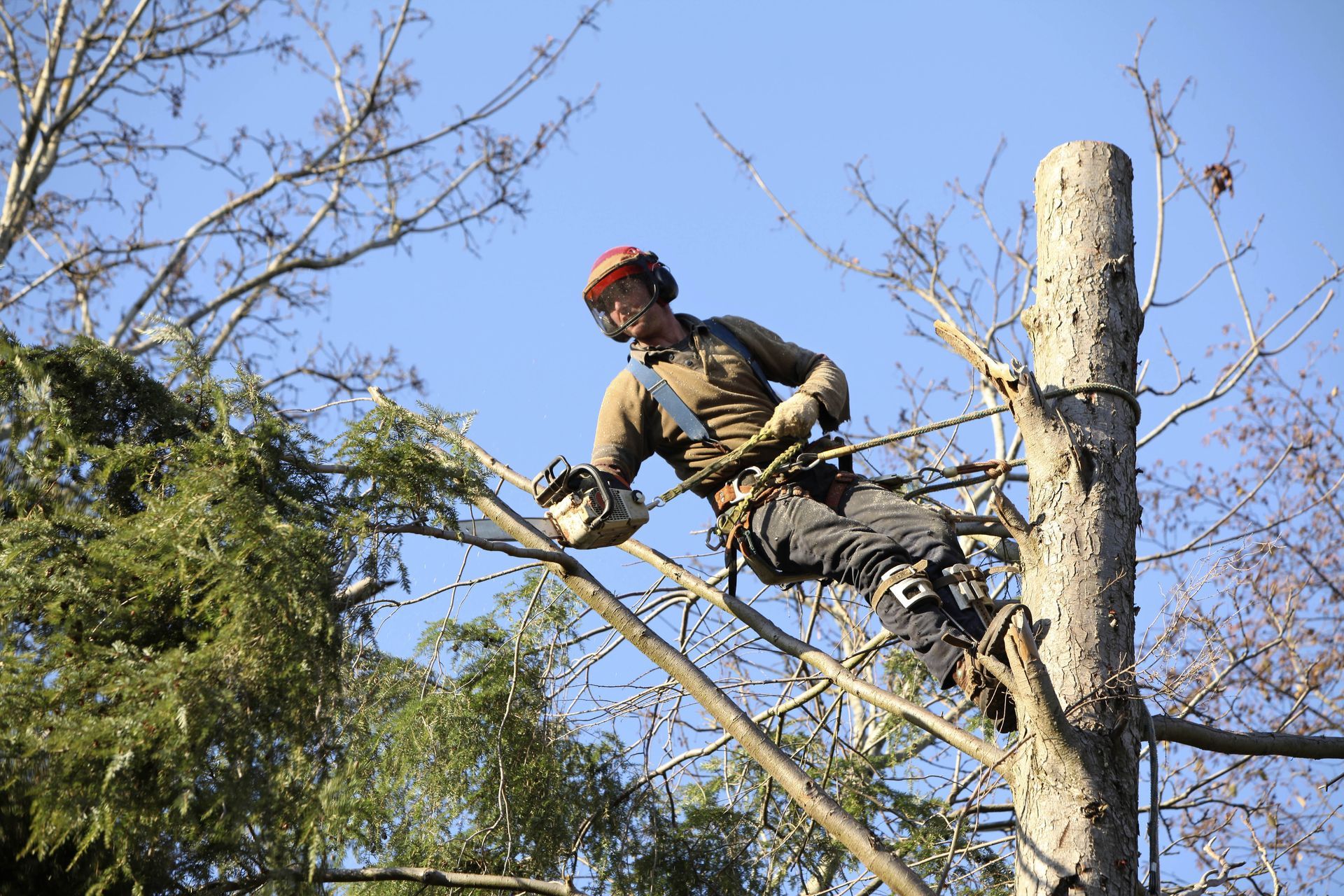
The intricate science of arboriculture requires deep knowledge, specialized equipment, and a commitment to rigorous safety standards. Attempting to diagnose hidden decay, climb into a swaying canopy, or operate heavy machinery without proper training is a recipe for disaster. Partnering with seasoned professionals ensures that your landscape receives the highest standard of preventative care available. These experts can tailor a maintenance schedule that specifically addresses the unique vulnerabilities of your property, fortifying your defenses long before the storm season arrives. The demand for this level of expertise is growing rapidly as more property owners recognize the value of preventative maintenance. According to the NIP Group, tree service market analysis estimates that the tree care industry market will exceed $44 billion by 2028. This industry growth reflects a widespread understanding that investing in reputable tree services is an essential aspect of responsible property management.
Protecting your landscape from the devastating impacts of severe weather is a continuous commitment that requires foresight, regular maintenance, and professional insight. By taking the time to evaluate structural integrity, thin out dangerous branches, and bolster subsurface health, you dramatically decrease the likelihood of experiencing catastrophic failures. Recognizing hazardous species and installing supplemental support systems further fortify your property against unpredictable weather patterns. Preparation is the key to minimizing risk, preventing costly structural damage, and keeping your loved ones safe. Do not wait until a severe weather warning is issued to start thinking about the safety of your landscape. Taking action today ensures that your property remains beautiful and secure regardless of the forecast. For expert assistance in preparing your landscape for the upcoming storm season, call Long's Tree Service today to learn more. Trusting your local
tree services to handle your preventative care guarantees peace of mind all year round.
Share On: