
The Ultimate Seasonal Tree Maintenance Checklist for Homeowners
Proper tree maintenance is crucial for ensuring the health, safety, and aesthetics of your landscape. This comprehensive checklist provides vital information and tasks that homeowners should undertake throughout the year to keep their trees in prime condition. Trees are an integral part of our environment, offering numerous benefits such as improving air quality, providing shade, and enhancing property values. Despite these benefits, trees require regular and specific care to thrive. This article not only offers practical maintenance tips for each season but also highlights the importance of sustainable and environmentally friendly tree care practices.
Spring Tree Maintenance
Inspect for Winter Damage
As the winter frost begins to thaw, the hidden impacts of harsh weather conditions on your trees become apparent. Inspecting your trees for winter damage is essential in addressing any issues that can compromise their health. Look closely for cracks in the bark and splits along branches, which may have resulted from extreme cold or ice accumulation. Early detection of these damages allows for timely interventions, such as pruning, to prevent further deterioration. By addressing winter damage promptly, you set a strong foundation for your trees to flourish in the coming growth season.
Prune Dead or Unwanted Branches
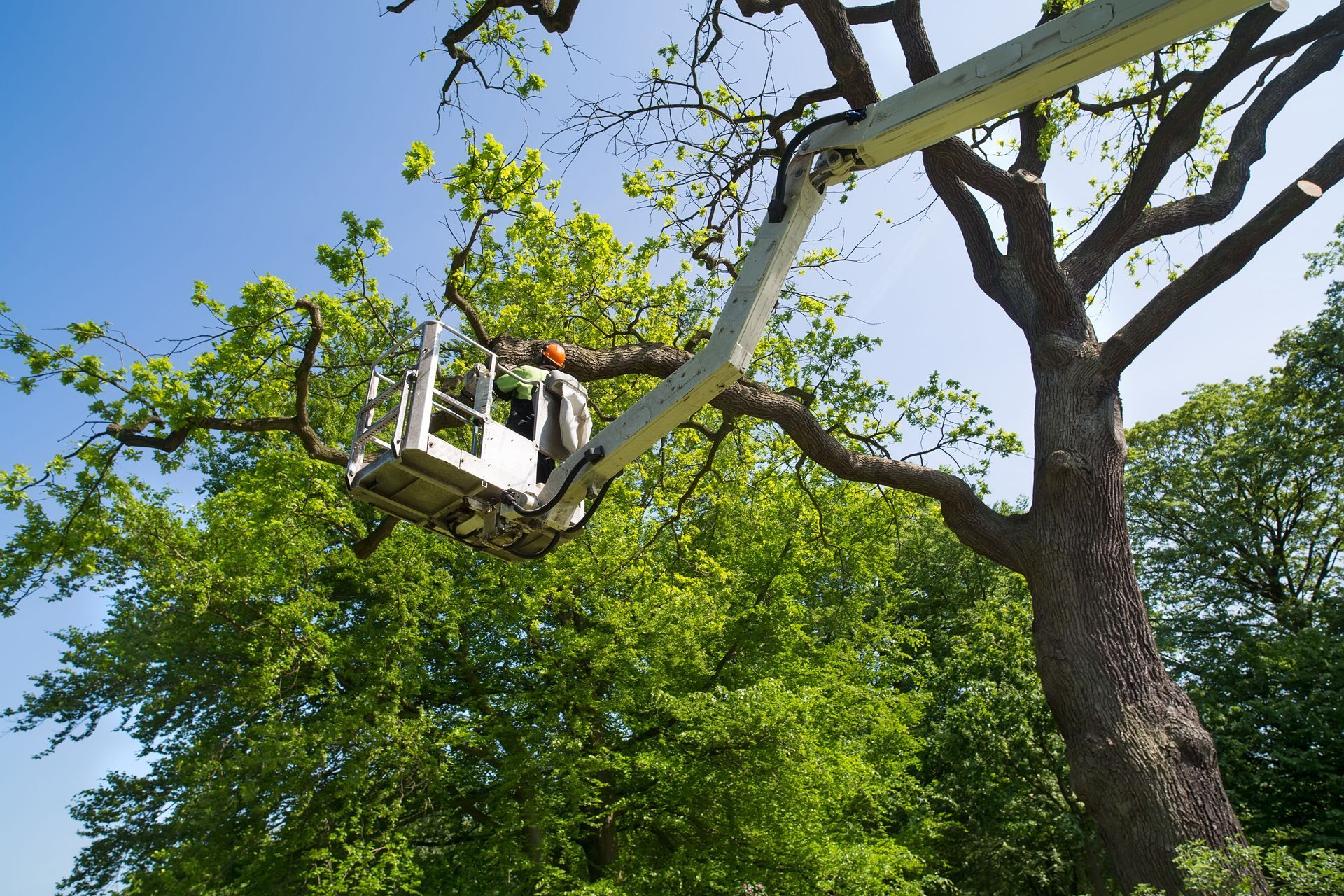
Springtime is ideal for pruning, as trees are entering their growth phase and can recover more quickly from cuts. Removing dead or unwanted branches not only enhances the tree's shape but also reduces the risk of disease and pest infestations. Use clean, sharp pruning shears or a saw to make clean cuts, ensuring that the wound can heal quickly. Strategic pruning opens up the canopy, allowing sunlight and air to reach the inner branches, promoting healthy growth. Regular pruning not only boosts the tree's vitality but also improves its structural integrity, making it more resilient.
Fertilize to Encourage New Growth
Applying the right fertilizer in spring can significantly boost new growth, as trees awakened from dormancy seek extra nutrients. A slow-release fertilizer is optimal as it gradually feeds the tree, preventing nutrient overload. Ensure you select a formula suited to the specific species of tree and carefully follow the application instructions. Proper fertilization supports not only vibrant foliage but also the development of robust root systems. In turn, healthy roots contribute to greater drought tolerance and lower susceptibility to pests and diseases.
Mulch Around the Base
Mulching is a simple yet effective practice for promoting tree health by retaining soil moisture and regulating temperature. Spread a layer of organic mulch such as wood chips or bark around the base of your trees, being careful not to pile it against the trunk. A depth of three to four inches is usually sufficient for effective insulation. By retaining moisture, mulch reduces the need for frequent watering, especially during dry spells. Additionally, it curtails weed growth and provides a habitat for beneficial soil organisms that enhance soil fertility.
Summer Tree Maintenance
Water Wisely
During the hot summer months, adequate watering is crucial to keep trees hydrated and prevent stress. However, it's important to avoid overwatering, which can lead to root rot. Gauge your watering needs by considering seasonal rainfall and existing soil moisture levels, ensuring trees receive water deeply and infrequently rather than shallowly and often. A general guideline is to ensure that water reaches several inches into the soil to encourage deep root growth. Smart watering practices support trees in combating the heat, thereby promoting vibrant foliage and overall vitality.
Inspect for Storm Damage
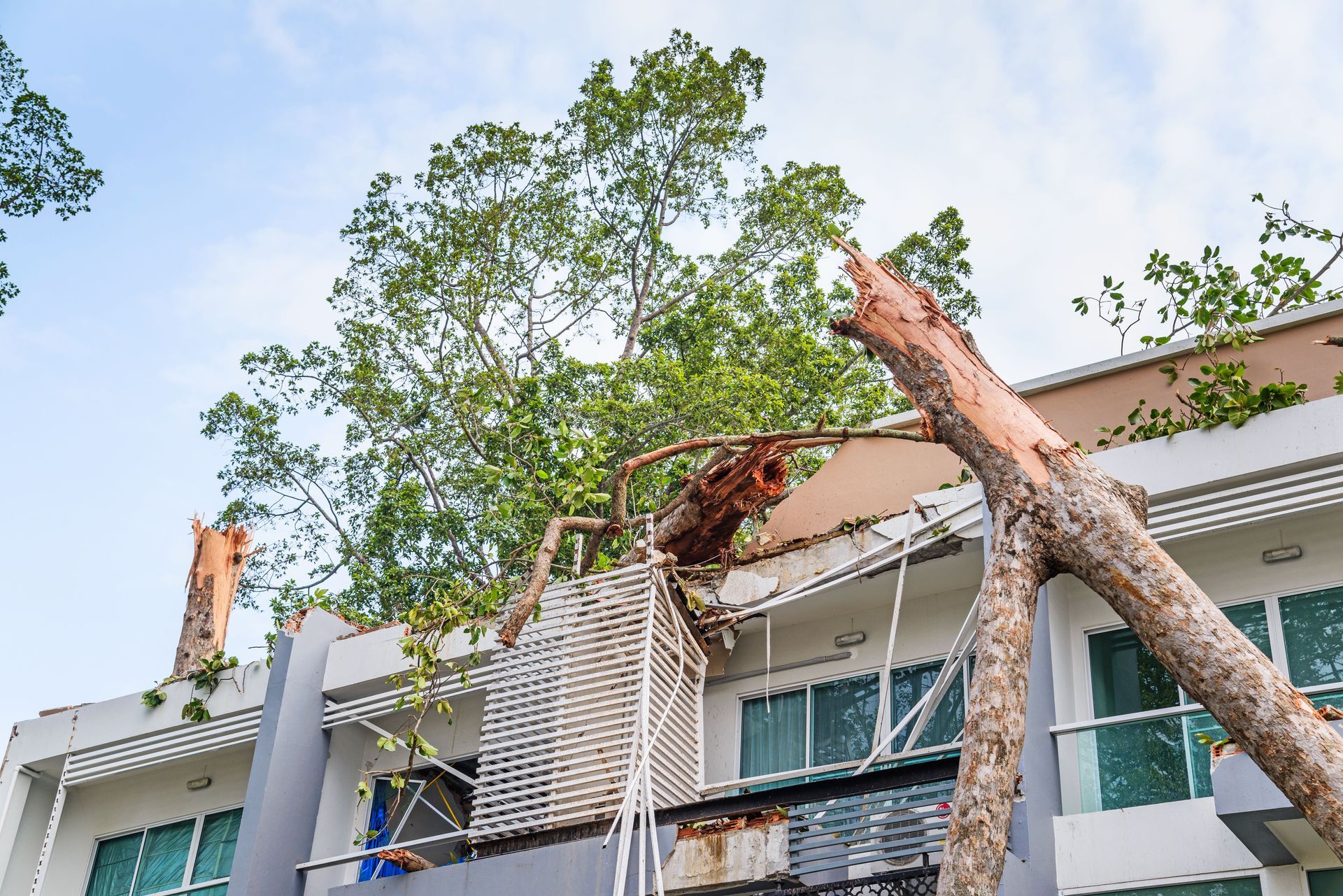
Summer storms can be particularly fierce, often leaving trees vulnerable to breakage and debris. After each storm, perform a thorough inspection to check for broken or hanging branches that pose potential hazards. Removing these weak limbs not only ensures safety but also prevents unnecessary stress on the tree. Cleanup efforts also include clearing fallen debris that might block pathways or damage property. By maintaining a post-storm checklist, homeowners can safeguard both their trees and property alike.
Control Insects and Diseases
Summer is a prime season for insect activity and disease proliferation, necessitating effective control measures. Identify common summer pests such as borers and beetles, and employ measures that range from chemical treatments to natural deterrents like neem oil. Keep an eye on fungal diseases that thrive in humid conditions, such as powdery mildew or rust, which affect foliage and weaken trees. Consistent monitoring helps ensure timely interventions, whether chemical or organic, before infestations become critical. Well-managed pest and disease control contribute to a landscape that maintains its lush and healthy appearance throughout the summer.
Protect Against Sun Scald
Sun scald is a common issue during summer for young or thin-barked trees, caused by intense sunlight exposure. Prevent this issue by applying tree wraps or painting trunks with a special white paint designed for reflection, which moderates temperature extremes. These protective measures are crucial for preventing cracking and tissue damage, which can serve as entry points for pests and pathogens. Regular application and checking for signs of sun damage support continuous tree health maintenance. With proactive sun protection, even the most vulnerable trees can weather the summer's harshest conditions effectively.
Environmental Considerations in Tree Care
Understanding Local Ecosystems
Environmental awareness enhances tree care by aligning maintenance practices with local ecosystems. Consider native species that thrive under existing conditions, requiring fewer resources and less intervention. Understanding local wildlife and plant interactions helps tailor tree care to support these natural relationships, fostering biodiversity. Sustainable practices also reduce the environmental footprint of maintenance activities, contributing to the longevity of green spaces. As tree maintenance gains prominence, harnessing ecosystem knowledge leads to healthier plants, sustainable gardening, and valued habitats.
Sustainable Pruning Techniques
Sustainability in pruning emphasizes techniques that promote tree health while minimizing unnecessary interventions. Favor gradual and strategic pruning over drastic cuts that can shock the tree, preserving essential growth patterns and fostering resilience. Implement natural pruning cycles that align with tree species and seasonal growth, allowing nature to drive shape and structure. Such techniques not only enhance tree aesthetics but also stabilize their roles in the ecosystem, supporting wildlife and providing shade. Balancing ecological principles with maintenance objectives fosters an environment where trees thrive alongside the community.
Water Conservation Practices
Conserving water in tree maintenance is crucial for both environmental sustainability and resource management. Strategies include mulching for moisture retention, and utilizing drip irrigation systems that minimize water usage while maximizing root absorption. Encourage deep watering to promote robust root systems capable of enduring dry spells, limiting the frequency of irrigation. Proper insulation of water to roots sustains tree health, conserving a vital resource as demand rises with environmental shifts. By implementing water-wise practices, homeowners contribute to sustainable gardening, ensuring lush, green landscapes endure.
Natural Pest Management Options
Incorporating natural pest management options ensures tree health while minimizing reliance on chemical interventions. Techniques include introducing pest predators such as ladybugs, attracting beneficial wildlife that controls pest populations naturally. Companion planting and the use of organic repellents foster an ecosystem resistant to infestation, reducing the need for harsh insecticides. Holistic pest management supports a balanced environment, enabling trees to thrive without compromising soil health or biodiversity. Aligning pest control methods with ecological principles ensures tree vigor, nurturing flourishing landscapes.
By adhering to this seasonal tree maintenance checklist, homeowners can ensure their trees remain healthy and resilient throughout the year. The tasks outlined provide a comprehensive framework for regular care, emphasizing each season's particular challenges and opportunities. By concentrating on long-term tree health, homeowners can enjoy the benefits of a vibrant, beautiful landscape while also playing a role in environmental sustainability. According to Archivemarketresearch.com, the tree maintenance services market is estimated at $15 billion in 2025, with a projected growth of 5% CAGR from 2025 to 2033, illustrating a growing awareness of the importance of professional tree care. Regular care not only enhances the beauty of your landscape but also contributes to a more sustainable and biodiverse environment, echoing the global trend for greener spaces. If you're looking for tree maintenance services, contact Long's Tree Service today.
Share On: