
Tree Trimming Tips to Keep Your Yard Looking Great
A well-maintained landscape relies heavily on the structural vitality, beauty, and safety of its mature vegetation. Trees serve as dominant architectural anchors across residential and commercial properties, offering cooling shade, clean air, and unmatched visual interest. Dedicated attention to outdoor living areas ensures that these imposing natural features continue to enhance the surrounding ecosystem. Nevertheless, maintaining their natural splendor demands comprehensive care, specialized equipment, and a clear understanding of arboricultural science. Integrating systematic tree trimming into a routine exterior maintenance program safeguards these living assets against environmental stressors while optimizing light penetration and surrounding turf growth.
Preserving mature wood requires seasoned insight into natural growth habits, species variations, and physiological responses to seasonal pruning. Improper cuts, poorly timed pruning, and unaddressed structural weaknesses expose canopies to aggressive decay organisms, pest infestations, and catastrophic failures during high-wind events. Engaging qualified arborists ensures that every cut contributes constructively to the trunk structure and root vigor. Investing in professional landscape solutions elevates property curb appeal while fostering a safer, more resilient outdoor living environment.
Enhancing Tree Structure and Canopy Balance
The tree trimming industry is both large and growing, with significant economic implications. According to the NIP Group, tree service market analysis estimates that the tree care industry market will exceed $44 billion by 2028. This growth emphasizes the importance of tree care and the demand for skilled tree trimming services. Beyond economic scale, structural pruning serves as the fundamental baseline for safeguarding mature specimens. Certified arborists selectively eliminate rubbing branches, acute V-shaped crotches, and asymmetric weight distributions to fortify the canopy against severe weather events, keeping the central leader upright and structurally sound throughout fluctuating seasons.
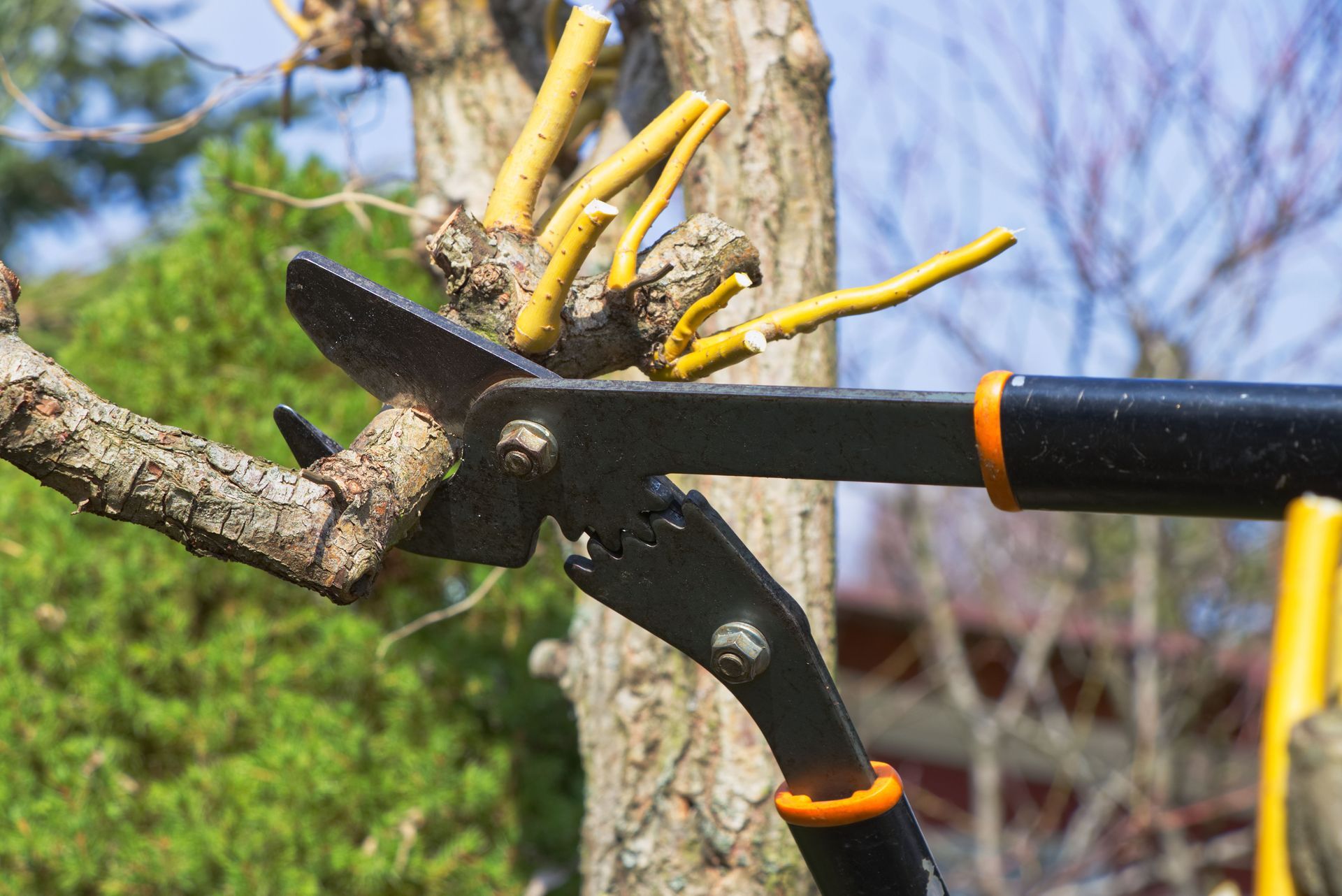
Unbalanced limb formations place continuous rotational stress on main trunks, inviting fissures, fungal intrusions, and premature decline. Professional canopy thinning targets deadwood and redundant interior branches to redirect vital water and soil nutrients toward dominant structural scaffolding. Proper weight reduction across outer boughs also relieves substantial mechanical strain on foundational crotches during severe ice storms. Controlled selective pruning facilitates superior photosynthesis, encourages balanced foliar density across lower limbs, and preserves structural equilibrium. Diligent architectural balancing guarantees that specimen trees retain their commanding majesty while flourishing in harmony with underlying turf, garden beds, and adjacent structural foundations.
Mitigating Property Hazards and Overhead Risks
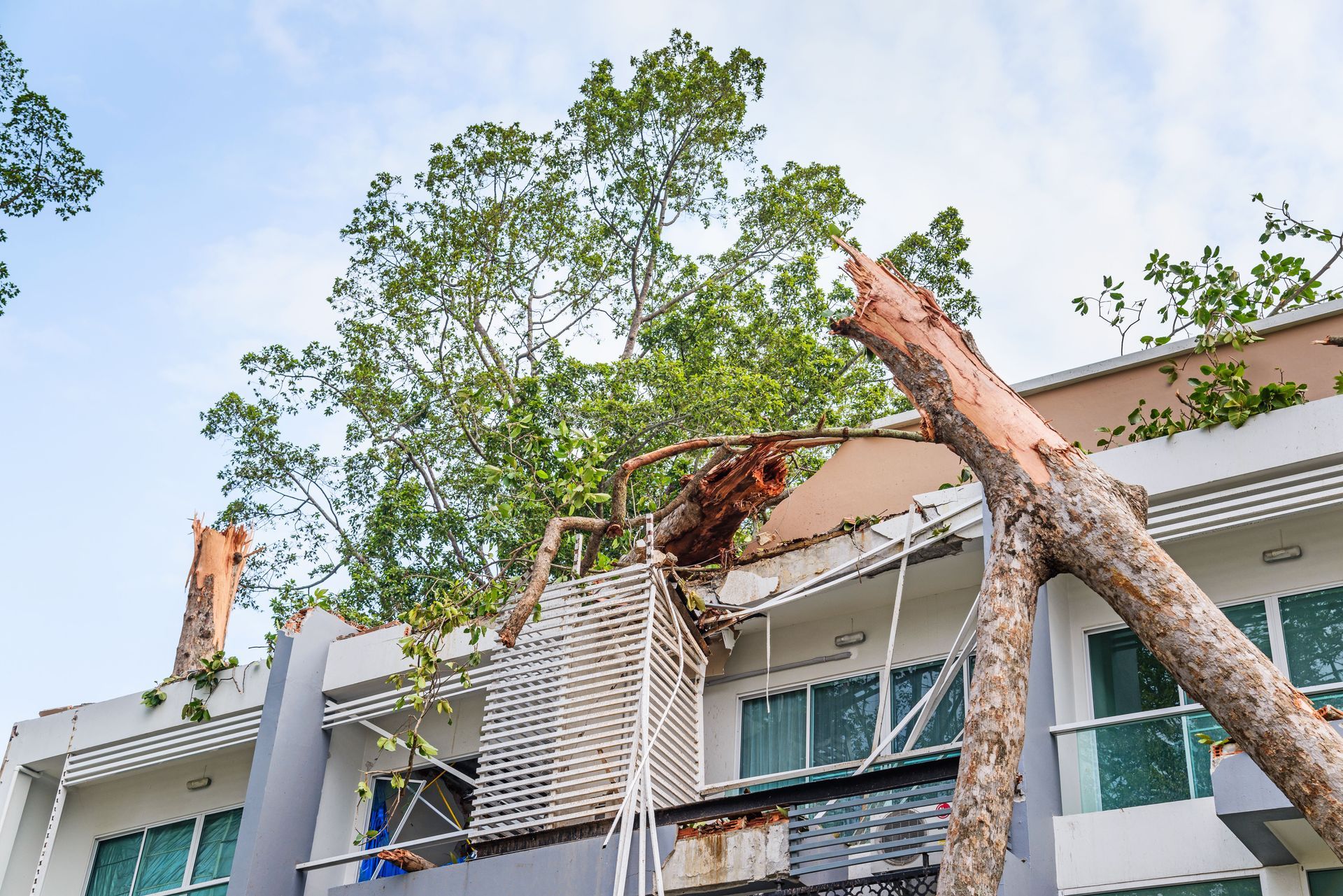
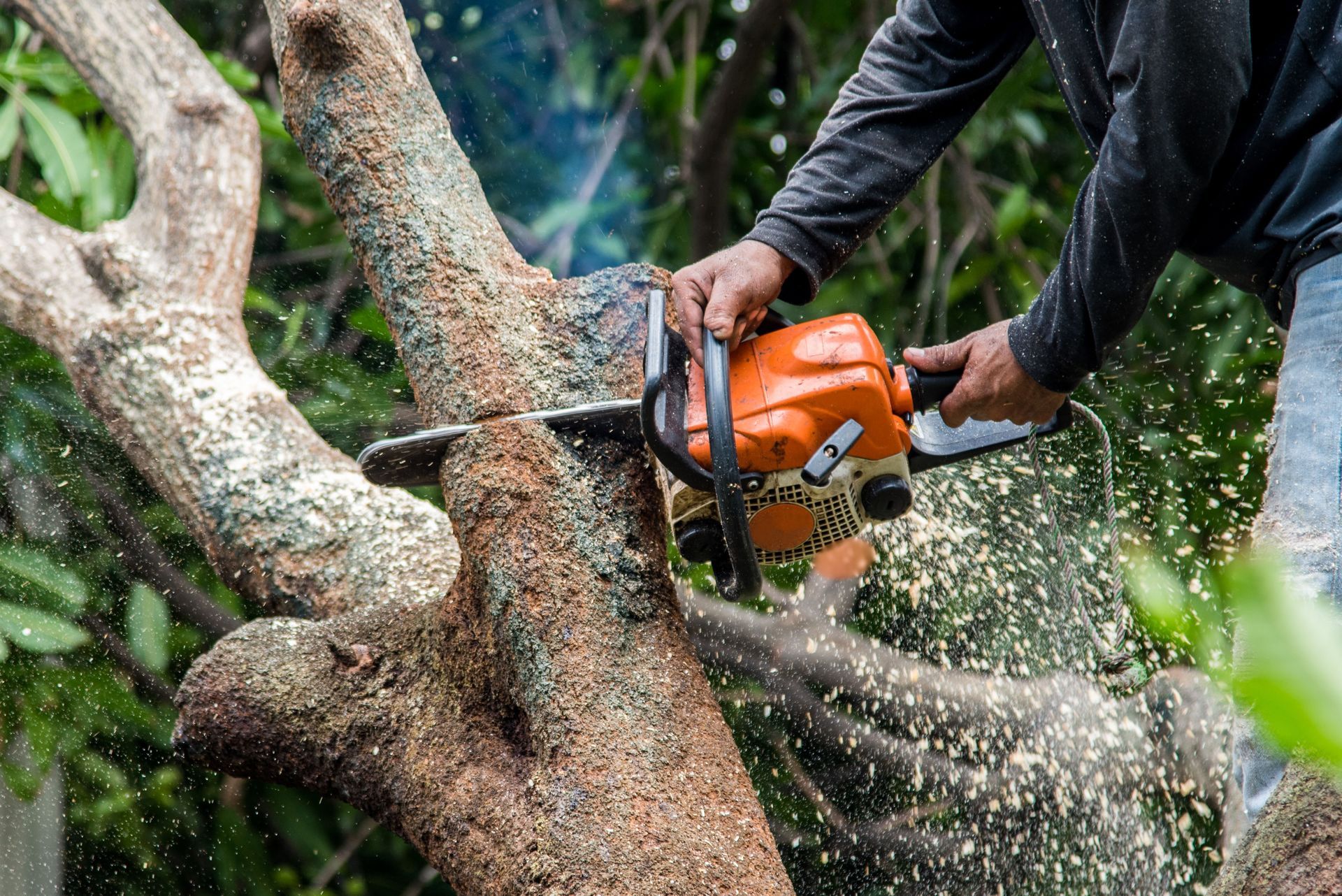
Overhanging limbs, decayed timber, and overgrown vegetative branches present genuine threats to structural safety, utility corridors, and pedestrian circulation. Mature branches compromised by internal decay or structural fissures often fail abruptly during sudden temperature drops or strong wind conditions, damaging roofs, gutters, parked vehicles, and overhead electrical lines. Routine tree trimming eliminates dead, dying, and structurally unviable limbs before they succumb to gravity. Professional assessments pinpoint hidden wood decay and hollow trunks that casual observers easily overlook, eliminating hazards before catastrophic damage occurs.
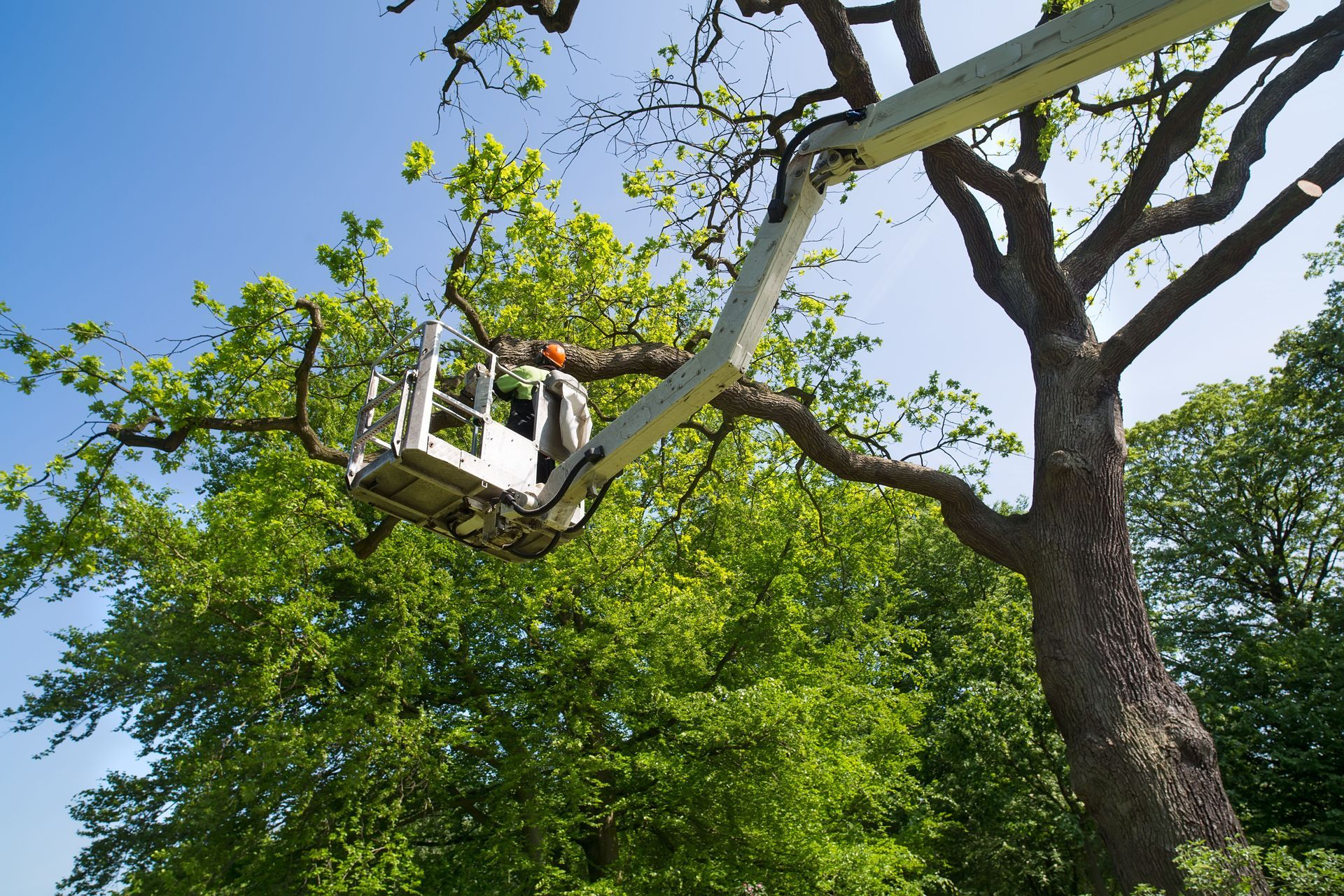
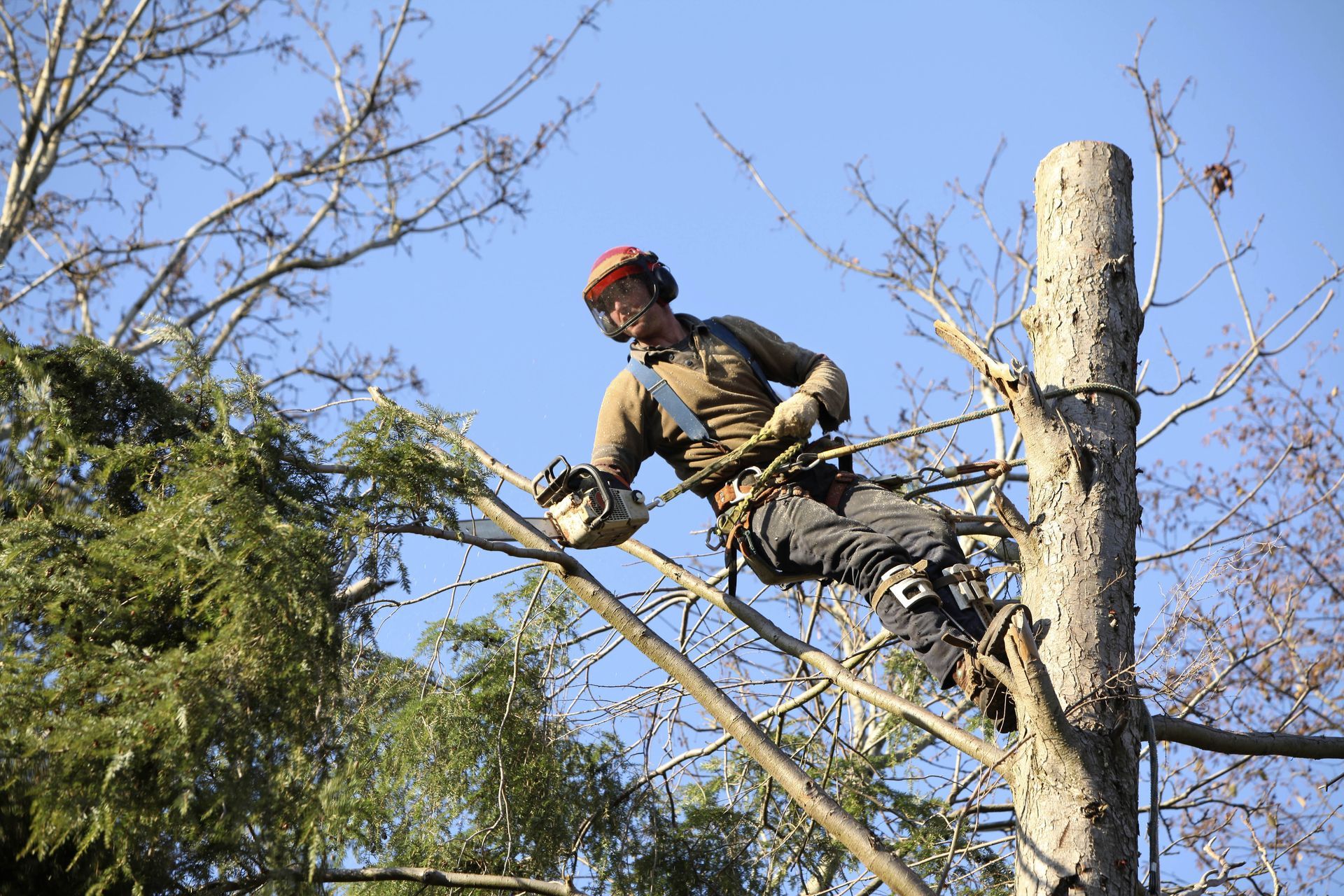
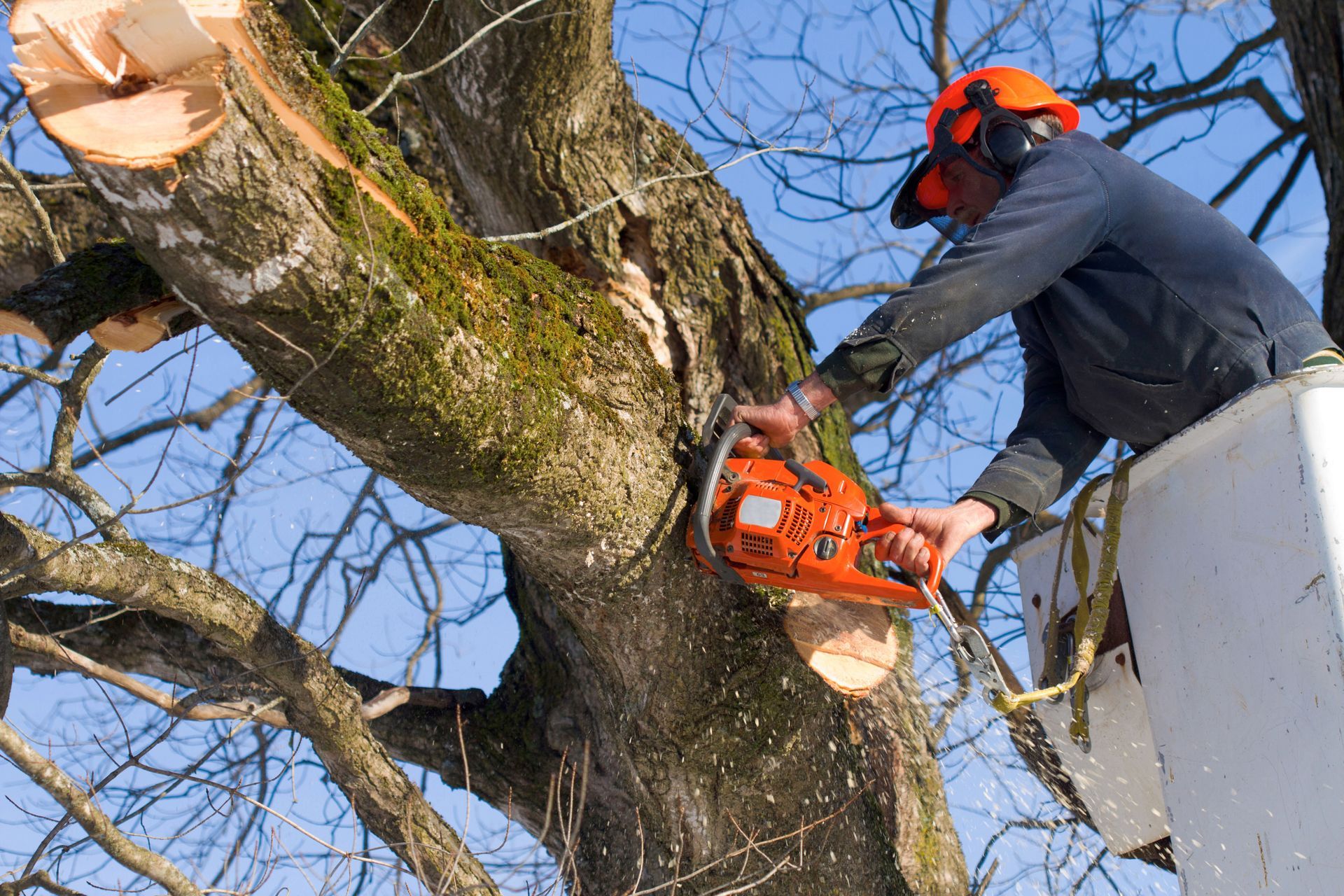
Arboricultural field crews employ sophisticated rigging ropes, aerial lifts, and specialized friction blocks to dismantle hazardous limbs suspended directly above delicate residential structures. These non-invasive operational procedures prevent unguided falling debris from impacting structural foundations or delicate landscaping installations below. Routine inspections around utility access lanes also prevent municipal utility interruptions and mitigate hazardous arching events during rainstorms. Controlled rigging techniques ensure that massive timber sections descend safely to the turf without gouging manicured flowerbeds or cracking concrete pathways. Entrusting canopy safety to experienced arborists preserves long-term perimeter security and minimizes costly insurance liabilities for commercial and residential estates.
Optimizing Health Through Seasonal Pruning Cycles
Achieving peak botanical health requires scheduling canopy interventions around natural biological dormancy phases. Deciduous hardwoods and ornamental flowering species experience substantial physiological advantages when dormant-season tree trimming takes place during late winter or early spring. During this restorative period, internal sap flow remains slow, reducing biochemical stress and preventing systemic fluid loss. Pruning during winter dormancy also enables arborists to inspect bare branch scaffolding with total clarity, ensuring precise cuts that support vigorous spring bud development.
Conversely, indiscriminate cuts administered during the heat of midsummer or the moisture-rich weeks of autumn often incite severe physiological stress. Summer pruning cuts stimulate unseasonable growth flushes that fail to harden before early frosts, while humid conditions encourage bacterial pathogens and fungal spores to colonize open wounds. Clean cuts executed while metabolic activity remains suspended seal far more rapidly once spring cambium activity awakens. Aligning branch modifications with seasonal biological dormant phases protects vulnerable xylem and phloem layers. Precise seasonal timing preserves internal starches within the root network, ensuring explosive foliar development and balanced vitality once warm temperatures return.
Protecting Foliage From Pests and Pathogens
Dense, unmanaged foliage restricts natural air currents and traps ambient humidity, cultivating an ideal breeding ground for airborne foliar diseases, mildew, and wood-boring insects. Dense interior branch clusters prevent morning dew from evaporating, inviting destructive pathogens like anthracnose, powdery mildew, and bacterial leaf scorch to spread across the entire canopy. Strategic tree trimming opens air channels through the crown, accelerating surface drying times and driving vital sunlight directly into the deepest interior branches, thereby suppressing parasitic fungal activity naturally.
Beyond establishing superior airflow, professional canopy thinning eliminates diseased branch tissue before pathogenic infections migrate downward into the central trunk and root flare. Experienced arborists follow strict biosecurity protocols, thoroughly sterilizing high-grade commercial tools between cuts with specialized hospital-grade disinfectants to eliminate cross-contamination across properties. Prompt excision of stressed or insect-damaged limbs isolates infestations, preserving pristine garden ecosystems. This systematic botanical stewardship ensures mature shade trees outlive destructive pest invasions, sustaining environmental vigor season after season. Consistent sanitation standards eliminate the biological transfer of microscopic spores across neighboring landscape plantings.
Raising Crown Clearance for Functional Landscapes
Integrating mature shade canopies with functional outdoor spaces requires periodic upward adjustments to lower limb systems. Low-hanging lateral limbs often obstruct driveways, brush against passing service vehicles, scrape residential roofs, and obscure lines of sight along pedestrian walkways. Crown elevation involves the careful, calculated removal of lower tier branches to expand vertical head clearance beneath the canopy. Implementing strategic tree trimming along pedestrian routes, parking spaces, and architectural perimeters restores functional clearance while honoring the natural aesthetic silhouette of each specimen.
Elevating the lower crown also benefits understory turf, decorative plantings, and ornamental groundcovers by welcoming dappled sunlight into formerly shaded garden spaces. Lawns situated beneath dense, drooping canopies often struggle with moss accumulation, thinning turf blades, and localized root competitions. Arborists calculate appropriate foliar ratios carefully, never removing more than one-third of the living canopy during an individual service cycle. This prudent methodology preserves adequate photosynthesizing tissue, allowing properties to enjoy sun-dappled lawns, uninhibited pedestrian walkways, and healthy, elevated tree silhouettes. Expanding this vertical headroom additionally creates clear sightlines that deter potential intruders from lingering around property perimeters.
Preserving the vitality, visual balance, and longevity of large landscape trees requires a structured strategy grounded in botanical science and executed with professional precision. Neglecting canopy health invites structural failures, costly structural damage, and irreversible fungal infestations that diminish property value. Regular, professionally administered
tree trimming provides deep aeration, defends against wood rot, and creates an attractive, safe outdoor environment. Investing in continuous, high-level arboricultural care ensures that your valuable landscape specimens thrive across every season for generations to come.
Take immediate action to protect your home exterior and elevate your outdoor living areas by securing top-tier canopy management services today. Reach out to the knowledgeable specialists at Long's Tree Service to schedule your comprehensive on-site arboricultural consultation. Our dedicated team provides seasoned advice, structural health evaluations, and dependable tree care solutions customized to the unique needs of your residential or commercial landscape. Contact us today to preserve the lasting beauty, structural stability, and commanding presence of your property canopies.
Share On: